English
 Español
The right blown film machine for biodegradable shopping bags isn't just a modified standard unit. It's a precision system engineered from the ground up for the unique dance of PLA, PBAT, starch blends, and other bio-polymers. Success hinges on three things: a deep understanding of material science, a machine built with specific components (think gear pumps and dual-cooling systems), and a partner who gets your market. That's where expertise, not just equipment specs, becomes your most valuable asset. In this guide, we’ll strip away the jargon and give you the clear, actionable insights you need to make a smart investment.
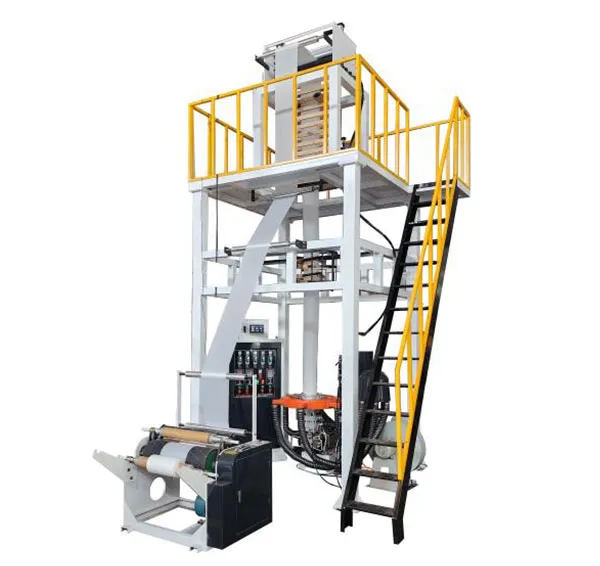
Why Your Old Blown Film Line Isn't Suitable for Biomaterials
Bio-polymers play by different rules. They're often more sensitive to heat – a zone that's slightly too hot can degrade the material, killing its compostable properties and mechanical strength. Their melt strength is usually lower, meaning the bubble wants to sag or even collapse as it's pulled upward. Cooling is another beast. Materials like PLA need to crystallize at a specific rate to achieve clarity and toughness. A standard single-lip air ring just blasts it with air, leading to fast, uneven cooling and internal stresses. Think of it like trying to bake a delicate soufflé in a pizza oven—the wrong environment guarantees failure. The result? You compromise on film quality, waste expensive raw material, and your biodegradable bag production line becomes a bottleneck instead of a profit center.
The Anatomy of a True Biopolymer Blown Film Extruder
So, what should you be looking at on the spec sheet? Let's break down the bio-film extrusion line component by component, moving beyond the generic sales talk.
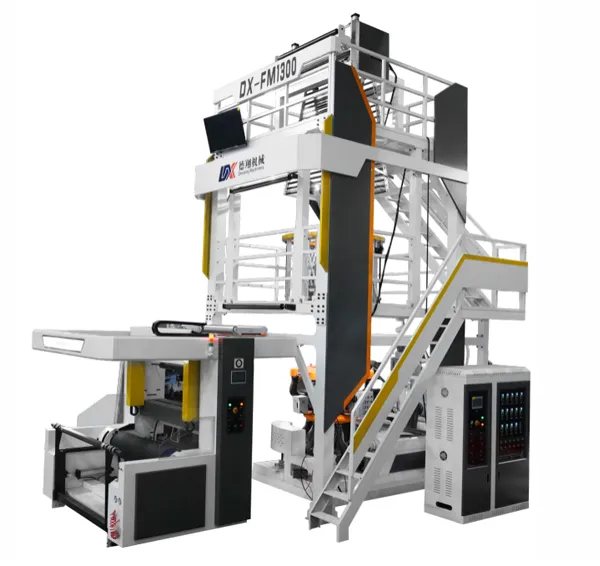
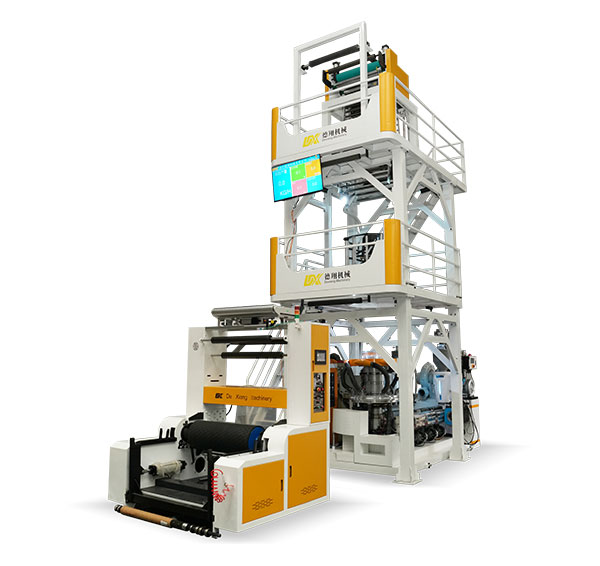
First, the extruder screw. This isn't a one-size-fits-all part. For bio-compound processing, you often need a specially designed screw with a gentler compression profile and better mixing sections. It needs to melt the material uniformly without subjecting it to excessive shear heat. Some advanced setups even incorporate a gear pump between the extruder and the die. This is a game-changer. It ensures a rock-steady, pulse-free melt pressure, which translates to a consistent film gauge—critical when your resin costs 2-3 times more than conventional plastic.
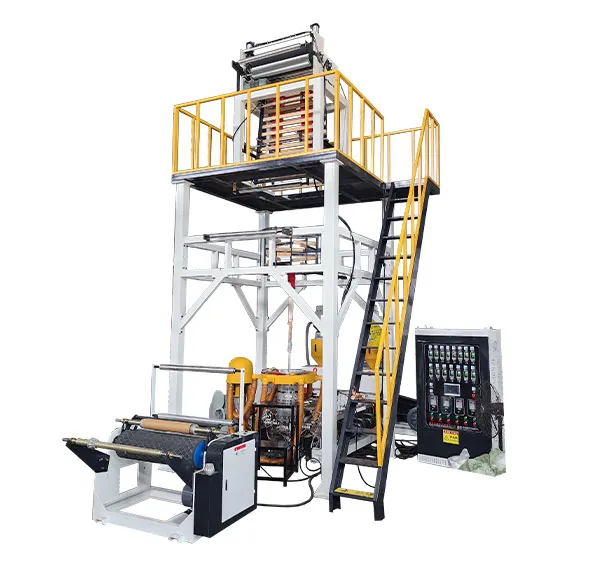
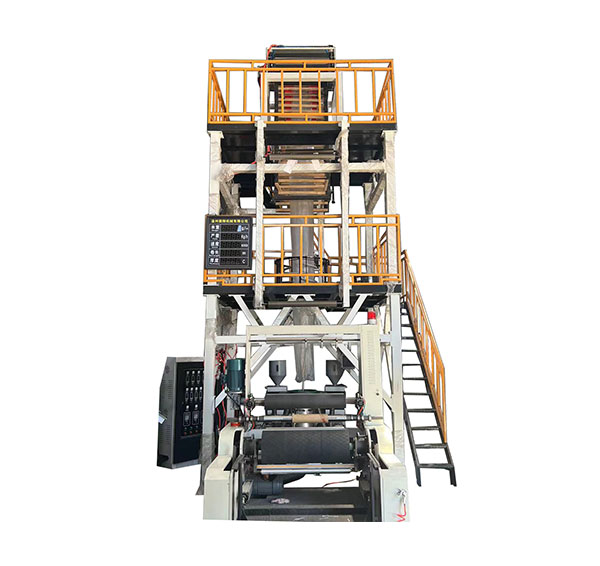
Then comes the die and tower. A multi-layer spiral die is common for premium bags, allowing you to sandwich a core layer of recycled content or a different bio-blend between outer skin layers for better surface properties. The tower needs to be tall enough to allow for proper cooling and crystallization of the sensitive film.
But the real magic often happens at the cooling system. High-performance systems for bio-materials, like the one DeXiang engineers have perfected, often feature a dual-lip air ring. The inner lip stabilizes the bubble at its earliest, most vulnerable point, while the outer lip provides the main cooling. This gives you incredible control over the freeze line and crystal structure. I've seen it turn milky, brittle PLA film into a crystal-clear, strong product ready for a high-speed bag making machine.
Dexiang's Partnership Advantage
Anyone can sell you a machine. The real question is: what happens after the truck leaves your dock? This is where the narrative shifts from hardware to partnership, and it's a perspective I hold strongly after two decades in this industry.
When you partner with a company like DeXiang, you're not just getting a bag making extruder. You're gaining access to a team that treats your production challenge as a unique puzzle. It starts with a conversation. What specific bio-compound are you using (supplier and grade matter immensely)? What is your target film thickness and width? What are your local composting standards (ASTM D6400, EN 13432, etc.) that the final bag must meet?
Based on this, DeXiang doesn't just pick a model from a catalog. They tailor the blown film line. This might mean fine-tuning the screw design, calibrating the temperature profiles for your specific material, or integrating an advanced bubble monitoring system for your operators. They provide process parameter guidelines that are your recipe for success from day one. It’s this commitment to customized solutions that transforms a capital expenditure into a reliable, profit-generating asset. I recall a client in California who was struggling with a PBAT blend for dog waste bags. The film was too sticky. Our team didn't just tweak the machine; we worked with them on a minor additive recommendation and adjusted the haul-off settings. Problem solved, production doubled.
Return on Investment and a Broader Perspective
Let's talk numbers, because sustainability must be economical to be viable. Yes, a purpose-built biodegradable film making machine represents a significant investment. But view it through the lens of total cost and value, not just the price tag.
A standard machine running bio-material inefficiently bleeds money through:
-
High scrap rates: 15-20% scrap is not uncommon in a bad setup. With bio-resins, that's a direct hit to your wallet.
-
Slow output: If your line runs 30% slower than it should, you're losing potential revenue every hour.
-
Inconsistent quality: Downtime, customer rejections, and brand damage have real costs.
A optimized line from a partner like DeXiang flips this. Higher stability means scrap rates can drop to a lean 3-5%. Optimized cooling and extrusion allow you to run at the material's ideal speed. Most importantly, you get film strength and consistency that allows your downstream bag making process to fly without breaks, and gives your end-product the premium feel that commands a better price in the market. The investment often pays for itself in 18-24 months purely on operational savings. Then, you have the intangible value: marketing a genuinely certified compostable product, winning tenders with strict sustainability clauses, and future-proofing your business against plastic regulations that are only getting stricter worldwide.
Conclusion
Navigating the world of bio-polymer film equipment can feel complex. But remember, your goal isn't to become a machine design expert overnight. Your goal is to find a reliable, high-quality film blowing machine that becomes the dependable heart of your sustainable packaging business.
The clearest path is to engage with experts who speak your language—both the language of engineering and the language of business. Stop wrestling with generic brochures and vague promises.
Ready to see what a truly tailored solution looks like? DeXiang invites you to take the next logical step. Share the specifics of your project—your material, your target bag specs, your output goals—and our engineering team will develop a preliminary system configuration and feasibility analysis for your biodegradable shopping bag production at no cost or obligation. This isn't a sales pitch; it's a problem-solving session.
[Contact the DeXiang Engineering Team Today for Your Free Project Review]