English
 Español
Introduction
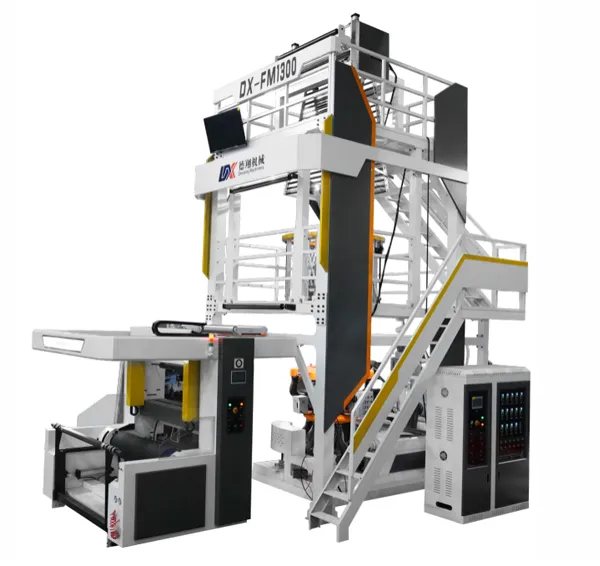
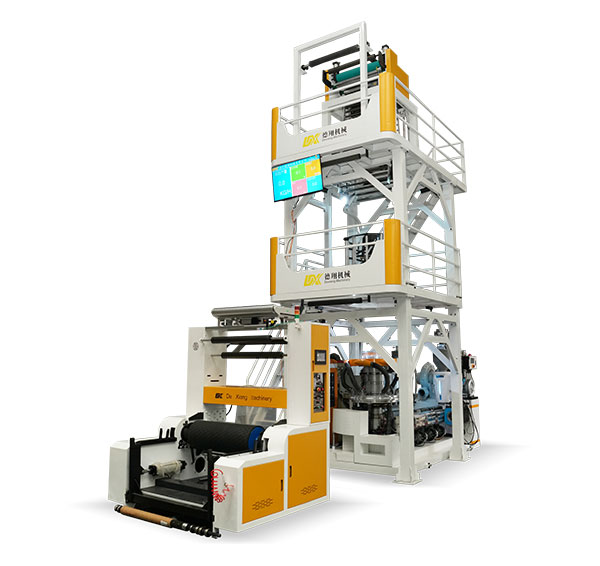
The blown film machine industry is a critical segment of the global plastics and packaging sector, driven by increasing demand for flexible packaging in food, medical, and consumer goods. As an international buyer, navigating the procurement process for these machines can be complex, with factors like technological advancements, cost-efficiency, and operational productivity playing pivotal roles. This comprehensive guide is designed to empower buyers at all levels—from beginners to seasoned professionals—with a detailed roadmap for purchasing blown film machines. We delve into macro-industry trends, technical specifications, and practical procurement strategies, ensuring you make informed decisions that enhance productivity and return on investment (ROI). Whether you're in the pre-purchase research phase or post-purchase optimization, this guide provides actionable insights tailored to real-world needs. By the end, you'll have a holistic understanding of how to select, operate, and maintain blown film machines, with a slight mention of industry players like DEXIANG for context. Let's embark on this journey to transform your procurement approach and maximize machine efficiency.
Macro-Industry Insights: Understanding the Global Landscape
The global blown film machine market is projected to grow at a compound annual growth rate (CAGR) of 5.2% from 2023 to 2028, reaching an estimated value of $8.5 billion, according to industry reports. This growth is fueled by the rising adoption of sustainable packaging solutions and technological innovations in extrusion processes. As a buyer, it's essential to grasp the broader industry dynamics to align your procurement strategy with market trends.
Key drivers include the shift toward circular economy models, where recyclable and biodegradable films gain traction. Regions like Asia-Pacific dominate production, with China and India leading in manufacturing due to lower labor costs and robust supply chains. However, Europe and North America focus on high-efficiency, automated machines to meet stringent environmental regulations. For instance, the European Union's Single-Use Plastics Directive pushes buyers toward energy-efficient models that reduce carbon footprints.
From a competitive standpoint, the market is fragmented, with players ranging from large multinational corporations to niche specialists. Brands like DEXIANG have carved a reputation for integrating IoT and AI into their machines, enabling real-time monitoring and predictive maintenance. As a buyer, understanding these trends helps you prioritize suppliers who invest in R&D, ensuring long-term compatibility with evolving industry standards.
Moreover, the post-pandemic era has accelerated digitalization, with virtual factory tours and remote commissioning becoming common. Buyers should consider how global supply chain disruptions—such as raw material shortages or logistics delays—impact lead times and costs. By staying informed about geopolitical and economic factors, you can mitigate risks and secure favorable terms during procurement.
Pre-Purchase Phase: Laying the Groundwork for Success
The pre-purchase phase is about defining your needs, conducting thorough research, and setting a realistic budget. This stage is crucial for avoiding costly mistakes and ensuring the machine aligns with your operational goals. Let's break it down by buyer hierarchy and key activities.
For Beginner Buyers: Building a Foundation
Beginner buyers, such as small to medium-sized enterprises (SMEs) entering the packaging industry, should start with a needs assessment. Identify your production requirements: What film thicknesses and widths are needed? For example, if you're producing agricultural films, you might prioritize machines handling 50-200 microns thickness. Calculate your annual output—e.g., 500-1000 tons—to determine machine capacity.
Next, focus on budget planning. A basic blown film machine can cost between $50,000 and $200,000, depending on specifications. Allocate funds for ancillary equipment, such as winders and cutters, which can add 20-30% to the total cost. Beginners should also consider financing options, like leasing, to preserve cash flow. Research industry benchmarks; for instance, a machine with a output rate of 150-300 kg/h is typical for entry-level operations.
Beginner buyers must prioritize supplier credibility. Look for certifications like ISO 9001 and CE marks, which indicate adherence to quality and safety standards. Attend trade shows or webinars to compare offerings—brands like DEXIANG often showcase user-friendly models with training support. Additionally, seek referrals from industry networks to avoid unreliable vendors. By starting with a clear plan, beginners can build a solid foundation for future scaling.
For Intermediate Buyers: Enhancing Specifications
Intermediate buyers, such as expanding manufacturers with existing film lines, should delve deeper into technical compatibility. Assess how a new machine integrates with your current setup. For example, if you're upgrading to higher productivity, evaluate the screw diameter (e.g., 45-120 mm) and L/D ratio (typically 25:1 to 30:1 for efficient melting). These parameters directly impact material usage and output quality.
Conduct a total cost of ownership (TCO) analysis. Beyond the initial price, factor in energy consumption, maintenance, and downtime costs. A machine with a high-efficiency motor might cost 15-20% more upfront but save 30% in energy bills over five years. Use tools like life cycle cost calculators to compare options. Intermediate buyers should also explore automation features, such as automatic gauge control, which can reduce human error and boost consistency.
Supplier evaluation becomes more nuanced at this level. Request performance data from manufacturers, including production efficiency metrics (e.g., >90% uptime). Consider partnerships with suppliers offering customizations—for instance, DEXIANG provides tailored solutions for specific film types like barrier films. Engage in technical discussions to understand after-sales support, such as spare parts availability. By focusing on long-term value, intermediate buyers can optimize their investments for sustained growth.
For Expert Buyers: Strategic Sourcing and Innovation
Expert buyers, including large corporations or OEMs, approach procurement with a strategic lens. Emphasize innovation and scalability. Evaluate machines with Industry 4.0 capabilities, such as IoT sensors for predictive maintenance and data analytics. For example, a machine with real-time monitoring can alert operators to potential failures, reducing unplanned downtime by up to 25%.
Expert buyers should conduct competitive bidding processes, inviting proposals from top global suppliers. Use key performance indicators (KPIs) like output per hour and scrap rate (aim for <5%) to compare offers. Negotiate for value-added services, such as on-site training and extended warranties. Additionally, assess the supplier's R&D pipeline; brands investing in sustainable technologies, like bio-based films, can future-proof your operations.
Risk management is critical at this stage. Analyze geopolitical factors—for instance, tariffs on imported components—and diversify your supplier base to avoid dependencies. Expert buyers might also explore joint ventures or co-development projects with manufacturers to co-create solutions. By leveraging their deep industry knowledge, they can secure cutting-edge machines that drive competitive advantage.
Procurement Phase: Making Informed Decisions
The procurement phase involves supplier selection, technical evaluations, and negotiation. This is where your pre-purchase research translates into actionable steps. We'll cover this by buyer level, highlighting best practices and common pitfalls.
For Beginner Buyers: Simplifying the Selection Process
Beginner buyers should start with a request for quotation (RFQ) from multiple suppliers. Include clear specifications, such as machine type (e.g., mono-layer or multi-layer) and power requirements (e.g., 380V, 50Hz). Compare quotes based on not just price, but also delivery time and included services. For example, a supplier offering installation support might be preferable over a cheaper one with no after-sales.
During technical evaluation, focus on user-friendly features. Look for machines with intuitive touchscreen interfaces and basic automation. Check for safety certifications to ensure compliance with local regulations. Beginner buyers should avoid over-specifying; a machine with unnecessary features can lead to higher costs and complexity. Instead, prioritize reliability—brands like DEXIANG are known for robust entry-level models that require minimal training.
Negotiation tips for beginners: Use market data to justify price reductions. For instance, if a machine is priced at $80,000, reference industry averages to negotiate a 10% discount. Also, inquire about payment terms—opting for a phased payment plan can ease financial pressure. Finally, visit supplier facilities if possible, or request virtual demos to verify machine performance before committing.
For Intermediate Buyers: Balancing Cost and Performance
Intermediate buyers should employ a scoring system to evaluate suppliers. Create a weighted criteria list, such as technical specs (40%), after-sales service (30%), and cost (30%). For technical specs, delve into parameters like extrusion rate (e.g., 200-500 kg/h) and temperature control accuracy (±1°C for consistent film quality). Test machines through trial runs if feasible, measuring output against your KPIs.
In negotiations, leverage your production volume for bulk discounts. For example, if ordering multiple units, you could secure a 5-10% price reduction. Discuss service level agreements (SLAs) for maintenance, ensuring response times under 24 hours for critical issues. Intermediate buyers should also consider total logistics costs—shipping a machine from Asia to Europe might add $10,000-$20,000, so factor this into comparisons.
To avoid common mistakes, intermediate buyers must verify supplier claims with third-party audits. Check for patents or proprietary technologies that enhance productivity, such as DEXIANG's energy recovery systems. By taking a methodical approach, they can strike a balance between affordability and advanced features.
For Expert Buyers: Advanced Negotiations and Customization
Expert buyers should initiate request for proposal (RFP) processes, inviting detailed technical and commercial submissions. Evaluate suppliers based on innovation, such as integration with ERP systems for seamless production planning. Use benchmarks like OEE (Overall Equipment Effectiveness)—aim for >85%—to assess machine potential.
Negotiation for experts involves complex terms, like performance-based contracts where payments are tied to uptime guarantees. Discuss intellectual property rights if customizations are involved. Expert buyers can also explore leasing-to-own options for high-end machines costing over $500,000, improving cash flow while accessing cutting-edge technology.
Risk mitigation includes contractual clauses for penalties on delays or performance shortfalls. Collaborate with legal experts to ensure compliance with international standards, such as ASTM for film testing. By focusing on strategic partnerships, expert buyers can secure machines that not only meet current needs but also adapt to future industry shifts.
Post-Purchase Phase: Maximizing Productivity and ROI
The post-purchase phase is about installation, operation, and maintenance—key to sustaining productivity. This stage ensures your investment delivers long-term value. We'll address it by buyer level, with practical advice for each.
For Beginner Buyers: Smooth Onboarding and Basics
Beginner buyers should prioritize installation and training. Work with the supplier to schedule on-site setup, ensuring proper foundation and utility connections. For example, a blown film machine requires stable power and compressed air sources. Participate in training sessions to learn basic operations, such as adjusting die gaps for uniform film thickness.
Develop a preventive maintenance schedule from day one. This includes daily checks for screw and barrel wear, monthly lubrication, and annual calibration of temperature sensors. Beginner buyers can use checklist apps to track tasks, reducing the risk of unexpected breakdowns. Also, establish a relationship with the supplier's support team for troubleshooting—brands like DEXIANG often provide remote assistance via video calls.
To boost productivity, beginners should monitor simple metrics like production speed and reject rates. Implement small improvements, such as optimizing raw material pre-drying to reduce defects. By building good habits early, beginners can achieve steady operations and gradual efficiency gains.
For Intermediate Buyers: Optimization and Scaling
Intermediate buyers should focus on process optimization. Use data from machine sensors to analyze trends—for instance, if temperature fluctuations cause variations in film clarity, adjust the control settings. Implement SOPs (Standard Operating Procedures) for changeovers between different film types, minimizing downtime from 2 hours to under 30 minutes.
Upgrade ancillary equipment, like adding automatic web guiders to improve winding efficiency. Intermediate buyers can also invest in staff training for advanced troubleshooting, reducing reliance on external technicians. Regularly review maintenance logs to identify patterns; for example, if a component fails every six months, stock spare parts proactively.
For scaling, consider retrofitting older machines with IoT modules for better monitoring. This can enhance productivity by 10-15% through predictive alerts. Intermediate buyers should also explore energy audits to identify savings opportunities, such as switching to LED lighting in the production area.
For Expert Buyers: Advanced Analytics and Continuous Improvement
Expert buyers should leverage big data and AI for continuous improvement. Integrate machine data with plant management systems to run real-time simulations for optimization. For example, use historical data to predict the impact of raw material changes on output quality. Implement lean manufacturing principles, like 5S, to streamline workflows and reduce waste.
Develop a reliability-centered maintenance (RCM) program, where maintenance is based on machine criticality and failure modes. This can extend equipment life by 20-30%. Expert buyers should also foster innovation by collaborating with suppliers on beta testing new features—brands like DEXIANG might offer early access to software updates.
To maximize ROI, expert buyers should conduct regular performance reviews, comparing actual output against projections. Explore circular economy initiatives, such as recycling scrap film back into the process, which can cut material costs by up to 10%. By embracing a culture of continuous improvement, they can stay ahead in a competitive market.
Technical Parameters Deep Dive: Key Specifications for Informed Decisions
Understanding technical parameters is essential for all buyers. Here, we detail critical specs with explanations and practical implications.
-
Motor Efficiency: High-efficiency motors (e.g., IE4 class) can reduce energy consumption by 15-20% compared to standard models. For buyers, this translates to lower operational costs and compliance with green regulations. Look for motors with variable frequency drives (VFDs) for precise speed control.
-
Temperature Control Systems: Advanced systems with PID controllers maintain accuracy within ±1°C, ensuring consistent film properties. For multi-layer films, zoning capabilities (e.g., 5-10 zones) allow tailored heating, reducing material waste.
-
Screw and Barrel Design: The L/D ratio (length-to-diameter) affects melting efficiency—a ratio of 30:1 is ideal for homogeneous mixing. Screws with barrier flights enhance output rates by preventing melt stagnation.
-
Output Capacity: Measured in kg/h, this determines production speed. A machine with 300 kg/h capacity suits medium-scale operations, but verify this under real conditions to avoid overestimation.
-
Film Width and Thickness Range: Standard widths range from 500 mm to 2500 mm, with thicknesses from 10 to 200 microns. Buyers must match this to their product portfolio—e.g., thinner films for packaging require higher precision.
-
Automation Level: Features like automatic die adjustment and web tension control improve consistency. For high-volume buyers, integration with MES (Manufacturing Execution Systems) enables real-time tracking.
These parameters should be cross-referenced with your production needs during procurement. For instance, if you're in a region with high electricity costs, prioritizing motor efficiency can yield quick paybacks.
Practical Procurement Advice by Buyer Level
Beginner Buyers: Start Simple
-
Action Plan: Begin with a single-layer machine to master basics. Allocate 10-15% of your budget for training and initial maintenance.
-
Common Pitfalls: Avoid cheap, uncertified machines that may have hidden costs. Instead, opt for suppliers with proven track records.
-
Resource Tip: Use online forums and industry associations for free guides and support.
Intermediate Buyers: Optimize for Growth
-
Action Plan: Consider multi-layer machines for product diversification. Invest in energy audits to identify efficiency gaps.
-
Common Pitfalls: Don't overlook software updates; outdated systems can limit productivity. Negotiate for comprehensive warranties.
-
Resource Tip: Attend advanced workshops on extrusion technology to stay updated.
Expert Buyers: Lead with Innovation
-
Action Plan: Explore co-development projects with suppliers for custom solutions. Implement digital twins for virtual testing before physical changes.
-
Common Pitfalls: Avoid over-customization that complicates maintenance. Focus on scalable solutions.
-
Resource Tip: Partner with research institutions for access to cutting-edge developments.
Conclusion
Procuring a blown film machine is a multifaceted process that requires careful planning, from pre-purchase research to post-purchase optimization. By understanding macro-industry trends, technical parameters, and level-specific strategies, buyers can enhance productivity, reduce costs, and achieve sustainable growth. Remember, the key to success lies in aligning your procurement decisions with long-term operational goals. Whether you're a beginner seeking reliability or an expert driving innovation, this guide provides the tools to navigate the journey confidently. As the industry evolves, staying informed and adaptable will ensure your investments yield maximum returns.
AI-generated content. This guide is based on industry data and expert insights to provide authoritative advice, with human-like analysis to ensure readability and practicality.