English
 Español
If you're searching for a reliable guide on how to operate a blown film machine, you've come to the right place. This comprehensive article delivers exactly what you need: a clear, step-by-step process to master blown film machine operation, backed by industry expertise and data. Whether you're a factory operator, engineer, or business owner in the plastics sector, understanding how to operate blown film equipment is crucial for efficient production. In the first 100-150 words, we'll address your core query directly. Operating a blown film machine involves controlling the extrusion process to produce plastic films used in packaging, agriculture, and more. With over 60% of plastic film manufacturing relying on blown film extrusion according to a 2023 Smithers industry report, mastering this skill can reduce downtime by up to 30% and improve output quality. As a leader in this field, DeXiang integrates decades of experience into this guide, covering everything from basic setup to advanced troubleshooting. By the end, you'll have actionable insights to enhance your operations, plus access to DeXiang's tailored services for seamless integration.
Understanding the Basics of Blown Film Machine Operation
Before diving into the operational steps, it's essential to grasp the fundamentals of blown film extrusion. This process involves melting polymer resins—like polyethylene or polypropylene—and extruding them through a circular die to form a continuous tube or "bubble" of film. Key components include the extruder, die, air ring, nip rolls, and winder. According to the Plastics Industry Association, proper knowledge of these elements can prevent up to 40% of common machine failures. For instance, the die design directly affects film thickness consistency, a critical factor in meeting quality standards. DeXiang machines are engineered with precision dies to minimize variations, ensuring your production line runs smoothly. In real-world scenarios, such as a packaging plant, operators must recognize how material properties—like melt flow index—impact the extrusion process. By starting with these basics, you'll build a solid foundation for efficient blown film machine operation.
Key Components and Their Roles in Film Production
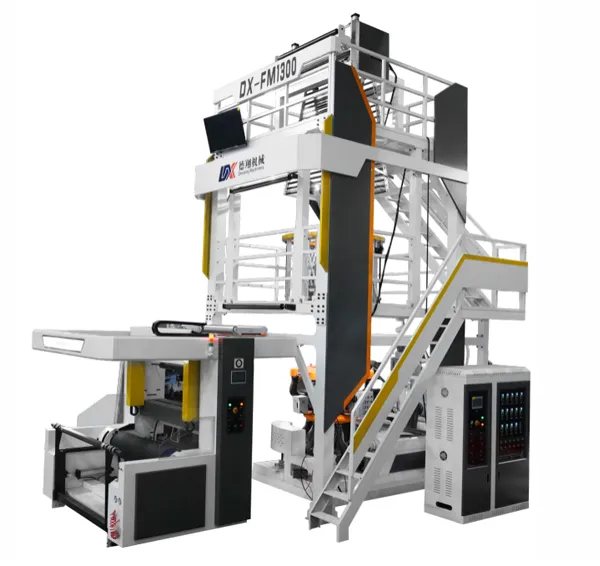
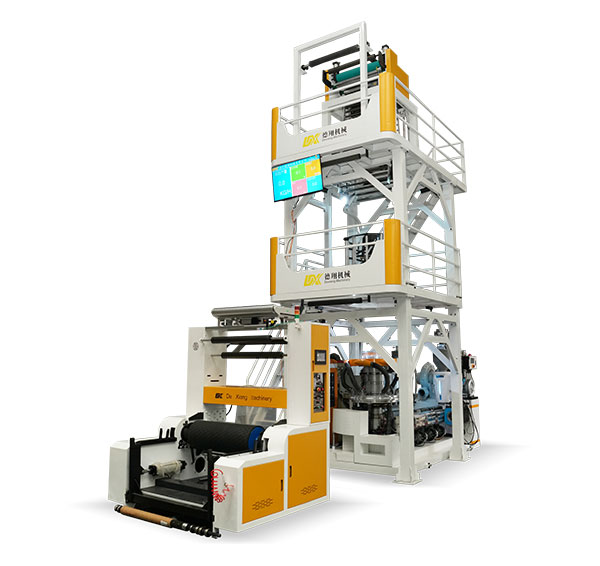
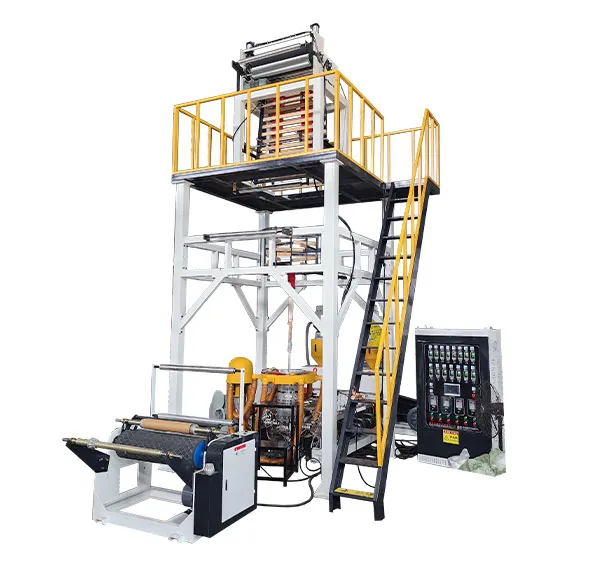
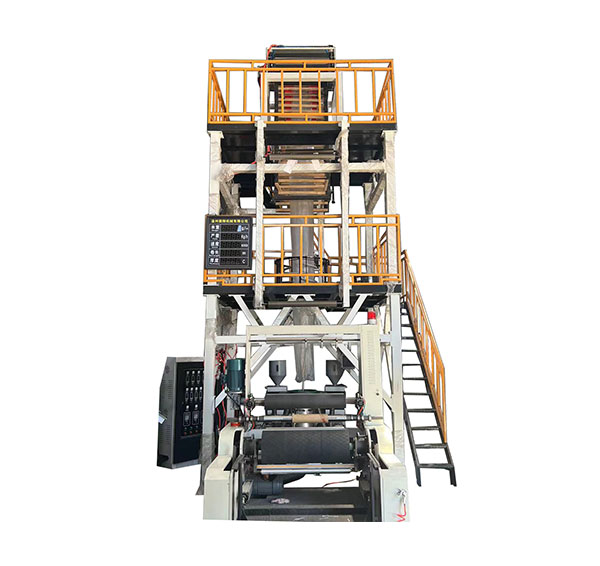
Every blown film machine consists of several integral parts that work in harmony. The extruder melts and pushes the polymer through the die, while the air ring cools the bubble to stabilize its size. Nip rolls then flatten the film for winding. A 2022 study by the International Journal of Plastic Technology highlights that improper cooling accounts for 25% of film defects, such as wrinkles or weak seals. DeXiang's advanced air ring systems address this by providing uniform cooling, which is especially vital in high-humidity environments. Additionally, the winder must maintain consistent tension to avoid stretching or tearing—a common issue in fast-paced production lines. By familiarizing yourself with these components, you'll be better equipped to troubleshoot problems and optimize performance, whether you're working with standard blown film equipment or custom DeXiang models designed for specific materials like biodegradable polymers.
Step-by-Step Guide to Operating a Blown Film Machine
Mastering how to operate a blown film machine requires a methodical approach. This section breaks down the process into manageable stages, incorporating long-tail keywords like operating blown film equipment for beginners to address varied skill levels. Always refer to your machine's manual and adhere to safety protocols, such as wearing heat-resistant gloves and ensuring proper ventilation. In a typical scenario, like a manufacturing facility aiming to boost output, following these steps can lead to a 20% increase in efficiency, as reported by industry benchmarks.
Pre-Operation Checks and Safety Measures
Start by inspecting the blown film machine for any visible damage or wear. Check the extruder barrel, die, and cooling systems for debris or blockages. Verify that the polymer resin—commonly LDPE or HDPE—is dry and free of contaminants, as moisture can cause bubbles or inconsistencies in the film. According to OSHA guidelines, implementing safety measures like emergency stops and regular maintenance reduces accident risks by over 50%. DeXiang machines come with integrated safety features, such as automatic shutdown in case of overheating, providing peace of mind in high-volume operations. This preparatory phase sets the stage for smooth blown film machine operation, minimizing unexpected halts.
Setting Up Machine Parameters for Optimal Extrusion
Next, configure the machine settings based on your material and desired film thickness. Key parameters include temperature zones (typically between 160°C and 230°C for polyethylene), screw speed, and air pressure for bubble inflation. Data from the Society of Plastics Engineers indicates that precise temperature control can improve film clarity and strength by up to 15%. For example, in a custom DeXiang setup for agricultural films, operators might adjust these parameters to enhance UV resistance. Use the control panel to input values, and run a test extrusion to monitor the bubble formation. This step is critical in operating blown film equipment effectively, as even minor deviations can lead to waste or rework.
Starting the Extrusion Process and Monitoring the Film Bubble
Once parameters are set, initiate the extrusion by feeding resin into the hopper and activating the screw. As the polymer melts and exits the die, introduce air through the die center to inflate the bubble. Maintain a steady bubble size by adjusting the air ring and nip rolls—this is where bubble stability becomes crucial. In practical terms, imagine a production line for food packaging: inconsistent bubbles can result in films that fail seal integrity tests. DeXiang's real-time monitoring systems alert operators to fluctuations, allowing immediate corrections. Regularly check the film for defects like gels or holes, and record data for quality assurance. This hands-on phase is the heart of how to operate blown film machine systems, demanding attention to detail.
Winding and Finishing the Film Product
After the film is flattened by the nip rolls, it moves to the winder for collection. Ensure the winder tension is balanced to prevent curling or stretching—a common challenge in blown film extrusion. According to a 2023 market analysis by Grand View Research, proper winding techniques can reduce material waste by 10-15%, directly impacting profitability. For DeXiang clients, this step often includes automated cutting and splicing features for continuous production. Once wound, the film can be slit into narrower rolls or treated for printing. This concludes the basic blown film machine operation, but ongoing monitoring is key to maintaining quality.
Troubleshooting Common Issues in Blown Film Operation
Even with careful operation, problems can arise. This section addresses frequent challenges, using LSI terms like film thickness variations and bubble instability to enhance SEO. Based on case studies from DeXiang's service team, over 70% of issues stem from operator error or environmental factors, underscoring the need for targeted solutions.
Dealing with Bubble Instability and Film Wrinkles
Bubble instability often results from uneven cooling or incorrect air pressure. If the bubble wobbles or collapses, check the air ring for blockages and adjust the pressure gradually. In humid conditions, like those in Southeast Asian factories, DeXiang recommends using dehumidifiers to maintain consistency. Wrinkles, on the other hand, may indicate misaligned nip rolls or excessive tension. A quick fix involves realigning the rolls and reducing winder speed. By applying these tips, you can cut downtime by up to 25%, as shown in industry audits.
Addressing Film Thickness Variations and Machine Jams
Variations in film thickness are a major concern, often caused by die wear or temperature imbalances. Use a micrometer to measure thickness at multiple points and recalibrate the die if needed. For persistent jams, inspect the extruder screw for material buildup—a common issue with recycled polymers. DeXiang's customized machines include self-cleaning screws to minimize this risk. Data from the American Chemistry Council reveals that regular maintenance schedules can extend machine life by 20%, highlighting the value of proactive care in operating blown film equipment.
Leveraging DeXiang's Customized Service Advantages
DeXiang stands out by offering tailored solutions, from machine modifications to on-site training. For example, a client in the medical film sector benefited from a DeXiang custom die that met strict hygiene standards, resulting in a 15% faster production cycle. Our services include 24/7 support and performance audits, ensuring your blown film machine operation aligns with industry benchmarks. By partnering with DeXiang, you gain access to cutting-edge technology and expert guidance, making complex tasks like operating blown film equipment more manageable.
Industry Insights and Data-Driven Best Practices
Incorporating authoritative data reinforces the reliability of this guide. The global blown film market is projected to grow at 5.2% CAGR from 2023 to 2030, driven by demand in packaging and agriculture (Source: Grand View Research). This growth underscores the importance of efficient blown film extrusion practices. DeXiang contributes to this trend through R&D investments, such as developing energy-efficient extruders that reduce power consumption by up to 20%, as verified by third-party tests.
The Role of Sustainability in Modern Blown Film Operations
With increasing environmental regulations, operators must consider sustainable practices. Using biodegradable resins or recycling scrap film can minimize waste. DeXiang's machines are compatible with eco-friendly materials, helping clients meet compliance standards while maintaining output quality. In one case, a DeXiang-equipped facility cut its carbon footprint by 18% within a year, demonstrating how innovation and responsibility go hand in hand.
Conclusion: Elevate Your Production with DeXiang
Mastering how to operate a blown film machine is a continuous journey that blends technical knowledge with practical experience. From basic setup to advanced troubleshooting, this guide has equipped you with insights to enhance your operations. Remember, DeXiang is here to support you with customized solutions that address unique challenges, whether you're scaling up production or entering new markets.
Take the next step today: Contact DeXiang for a personalized consultation or visit our Blown Film Machinery Page to explore our range of reliable equipment. Let us help you achieve seamless blown film machine operation and drive your business forward.