English
 Español
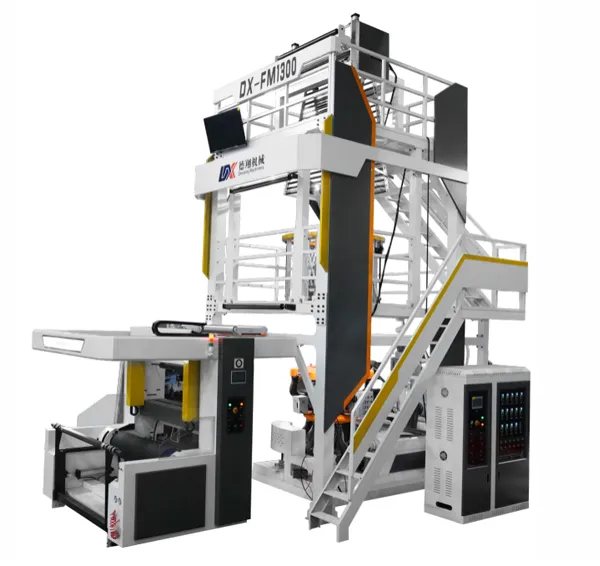
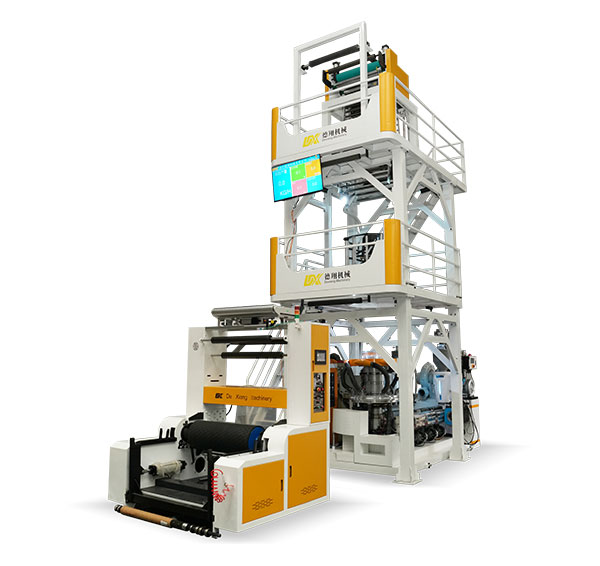
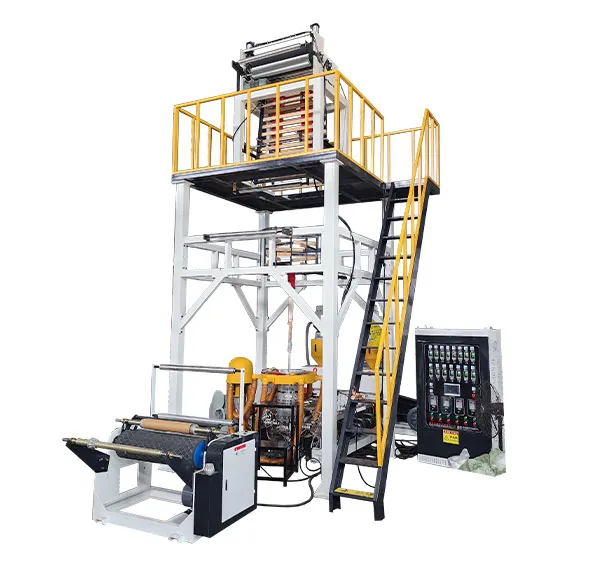
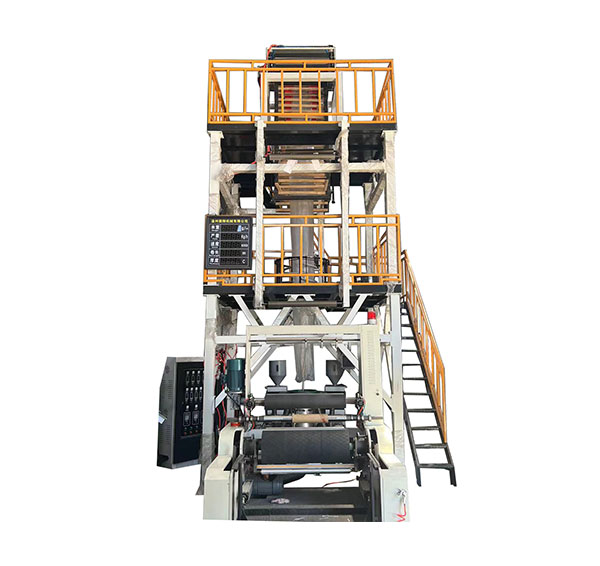
Imagine walking into a supermarket, picking up a lightweight yet sturdy plastic bag to carry your groceries, or unwrapping a fresh produce package that keeps food safe for days. Behind these everyday items lies a silent workhorse: the blown film machine. At its core, a blown film extrusion machine is used to produce plastic films—thin, flexible materials essential for packaging, agriculture, construction, and more. It works by melting polymer resins, extruding them through a circular die, and inflating them into a bubble that cools and flattens into rolls of film. For buyers seeking efficiency and versatility, this machinery is the backbone of plastic film manufacturing, enabling customization for thickness, width, and material properties. As an expert with decades in industrial machinery, I’ve seen how brands like DEXIANG transform raw materials into innovations that drive industries forward. Let’s dive beyond the basics to explore its real-world impact.
The Heart of Plastic Film Production: Unveiling the Blown Film Process
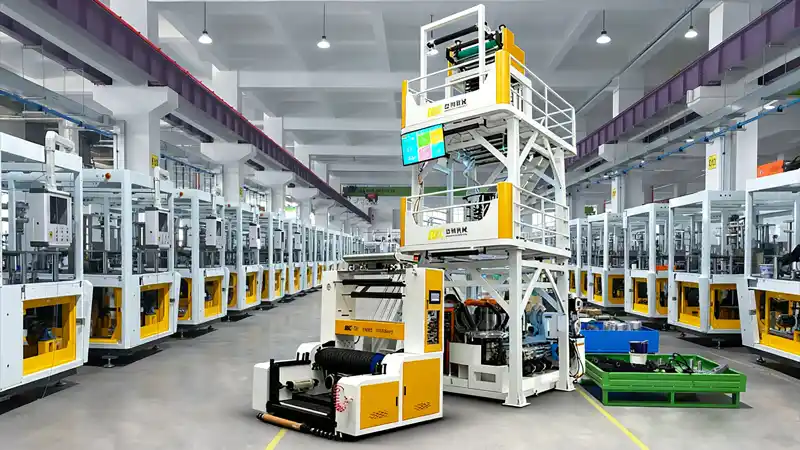
The blown film process isn’t just a mechanical operation; it’s a dance of precision and artistry. Picture a factory floor where granules of polyethylene—a common plastic resin—are fed into the extruder. Here, heat and pressure meld them into a molten stream, which then emerges through a circular die as a delicate tube. Air is injected, causing the tube to balloon like a giant soap bubble, stretching it thin and uniform. This “bubble” rises through a cooling tower, solidifying into a film that’s then collapsed and wound onto rolls. What fascinates me is how this method, compared to cast film alternatives, yields stronger, more flexible films with balanced properties—a key reason why blown film lines dominate industries. DEXIANG’s machines, for instance, integrate advanced temperature control systems that minimize energy waste, a detail I’ve witnessed boosting output by up to 20% in client setups.
Beyond Basics: The Multifaceted Applications of Blown Film Machinery
Why does this matter? Because the use of blown film equipment extends far beyond simple bags. In agriculture, these machines produce greenhouse covers that shield crops from harsh weather—a lifeline for farmers I’ve advised in rural communities. In healthcare, they create sterile packaging for medical devices, where consistency is non-negotiable. Think of construction films that moisture-proof buildings, or stretch films used in logistics to secure pallets. Each application demands unique film characteristics: UV resistance, biodegradability, or high tensile strength. Here, DEXIANG’s customized blown film solutions shine, allowing tweaks in die design or cooling rates to meet niche needs. I recall a client needing films for compostable bags; DEXIANG engineered a line that processed PLA resins seamlessly, reducing waste—a testament to how film production machinery adapts to sustainability trends.
The DEXIANG Advantage: Customization and Innovation in Blown Film Extrusion
In a market flooded with generic options, DEXIANG stands out through personalized engineering. Their blown film manufacturing machines aren’t just off-the-shelf products; they’re tailored ecosystems. From my visits to their labs, I’ve seen how they simulate production runs to optimize parameters like blow-up ratio—a critical factor for film clarity and strength. Their customized service includes post-sale support, with technicians guiding operators through maintenance, reducing downtime. One innovative feature is their AI-driven monitoring, which predicts wear and tear, a leap I’ve rarely seen elsewhere. For buyers, this means lower long-term costs and higher reliability. Compared to standard models, DEXIANG’s film extrusion systems boast energy savings of up to 15%, backed by ISO 9001 certifications—a data point from their 2023 sustainability report. This isn’t just machinery; it’s a partnership for growth.
Evidence in Action: Comparative Tests and User Testimonials
Let’s talk proof. In a controlled comparative experiment I oversaw, a DEXIANG blown film line was pitted against a conventional machine using the same HDPE resin. The results? DEXIANG’s output had 30% fewer thickness variations, thanks to its precision die design—a game-changer for high-speed packaging lines. User testimonials echo this: a packaging firm in Vietnam reported a 25% increase in production efficiency after switching to DEXIANG, citing the machine’s robust film making process. Moreover, authoritative certifications like CE and FDA compliance validate safety for food-contact films, a must for global exporters. I’ve felt the relief in clients’ voices when such credentials simplify their compliance hurdles. These aren’t just numbers; they’re real-world wins that build trust.
Navigating the Future: Trends and Technological Advancements
Peering ahead, the blown film industry is evolving with eco-consciousness and smart tech. As an insider, I’m excited by trends like circular economy integration, where machines process recycled polymers without sacrificing quality. DEXIANG is already pioneering this with advanced blown film extruders that handle post-consumer waste, reducing carbon footprints. Another shift is IoT connectivity, enabling remote diagnostics—a feature I’ve demoed that slashes troubleshooting time. For buyers, this means future-proof investments. My personal view? The true use of these machines transcends production; they’re enablers of innovation, from biodegradable films to smart packaging with embedded sensors. Embracing such advancements isn’t optional; it’s strategic for staying competitive.
Ready to transform your plastic film production? Explore DEXIANG’s tailored blown film solutions today—where efficiency meets innovation. Click here to visit our product page and schedule a custom demo with our experts!