English
 Español
You're running a packaging line—plastic bags, food wrappers, or industrial films. The printing press needs to run fast, stay accurate, and handle different materials without constant adjustments. A printing machine is the backbone of your production floor, and its reliability directly affects your output and costs. This guide covers what makes a flexo press perform consistently over years of operation—from mechanical design and control systems to maintenance practices and material adaptability. No fluff—just the practical factors that separate a workhorse press from a maintenance headache.
What a Flexo Printing Press Does
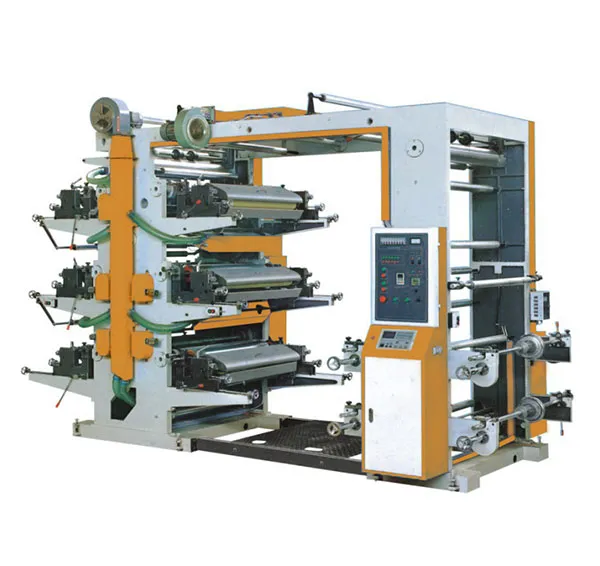
A flexographic printing press transfers ink from a flexible printing plate onto a substrate—typically plastic film, paper, or packaging materials. The process runs continuously from an unwind roll through multiple color stations to a rewind roll, making it ideal for high-volume production. The press handles a wide range of materials, from traditional plastic films to specialized substrates. This versatility makes it a staple in packaging, labeling, and advertising industries.
How Flexo Differs from Other Printing Methods
Unlike gravure or offset printing, flexo uses flexible rubber or photopolymer plates mounted on rotating cylinders. The plate picks up ink from an anilox roller and transfers it directly to the substrate. This makes flexo faster to set up, more cost-effective for short to medium runs, and capable of printing on a broader range of materials—including films that other processes struggle with.
Continuous Production Workflow
The press operates on a roll-to-roll basis. Material feeds from an unwind stand, passes through each color station, and rewinds onto a take-up roll. This continuous flow supports high-frequency, large-volume production without the start-stop inefficiencies of sheet-fed systems.
Production Capacity and Speed
In high-speed environments, the press maintains stable operation while meeting the demands of large-volume production. This isn't just about top speed—it's about sustained throughput without quality degradation. A well-designed press keeps running shift after shift, delivering consistent output even under heavy load.
Balancing Speed and Quality
Higher speeds can introduce registration drift, inconsistent ink transfer, and web tension issues. The DEXIANG press uses precision mechanical design to maintain accuracy at speed, ensuring that each batch of printed materials remains consistent and accurate.
Reducing Downtime Between Jobs
Quick changeover capability separates efficient presses from the rest. Features like motorized registration adjustment and tool-less plate mounting reduce setup time, allowing you to switch between jobs faster and keep the press running longer.
Print Quality and Consistency
Print quality comes down to resolution, color vibrancy, and consistency across the entire run. The DEXIANG press delivers high-resolution, vivid, and consistent results through precision mechanical design and high-quality ink systems. Consistent quality reduces waste, keeps customers satisfied, and minimizes rework.
Factors That Affect Print Quality
Key quality drivers include anilox roller condition, plate mounting accuracy, ink viscosity control, and impression pressure. Regular monitoring of these variables—combined with a well-maintained press—ensures that every printed roll meets specification.
Maintaining Color Consistency
Color matching across runs requires repeatable registration and stable ink delivery. Automated control systems help maintain consistent color by adjusting parameters in real time, reducing the need for manual intervention.
Stability and Operational Costs
A press that breaks down frequently costs more than just repair bills—it costs lost production time, missed deadlines, and operator frustration. DEXIANG's printing machines maintain efficient and stable operation, significantly reducing equipment failures and downtime. This stability translates directly to lower operational costs and higher profitability.
Long-Term Durability
Under normal circumstances, a well-maintained printing press can last for 10 years. This lifespan depends on build quality, maintenance practices, and operating conditions. A robust mechanical design—with wear-resistant components and precision-machined parts—extends service life and reduces the frequency of major repairs.
Preventive Maintenance Practices
Regular maintenance includes cleaning the print head, using appropriate ink, adjusting machine settings, and promptly replacing consumables. A structured maintenance schedule prevents small issues from becoming major failures and keeps the press running at peak efficiency.
Material Adaptability
A printing press is only as valuable as the range of materials it can handle. DEXIANG's machines handle traditional plastic films and packaging materials while adapting to various types of special printing requirements. This flexibility allows you to take on diverse jobs without investing in multiple dedicated presses.
Common Substrates
Applications include industrial plastic bags, festival packaging bags, stationery packaging, fertilizer bags, drug packaging, bagged shampoo, eco-friendly bags, food packaging, advertising bags, laundry bags, charger packaging, and logistics bags. This wide range demonstrates the press's versatility across packaging segments.
Special Material Considerations
Printing on films requires careful attention to tension control and drying. Different substrates have different stretch characteristics, ink adhesion properties, and heat sensitivity. The press must accommodate these variations through adjustable tension, temperature control, and drying systems.
Common Issues and Troubleshooting
Even the best presses encounter occasional problems. Common issues include uneven printing, ink drying, and paper jams. Knowing how to diagnose and resolve these quickly minimizes downtime and maintains production flow.
Uneven Printing
This typically points to anilox roller wear, improper impression pressure, or inconsistent ink viscosity. Inspecting and cleaning the print head, along with adjusting machine settings, usually resolves the issue.
Ink Drying and Adhesion
Ink drying problems often stem from incorrect ink formulation, inadequate drying temperature, or excessive press speed. Using appropriate ink and adjusting drying parameters are the first steps in troubleshooting.
What Buyers Ask About Flexo Printing Equipment
What's the typical lifespan of a printing press?
Under normal circumstances, a well-maintained printing press can last for 10 years. Regular maintenance and using quality consumables are key to achieving this lifespan.
What materials can a flexo press handle?
Flexo presses handle plastic films, paper, packaging materials, and various special substrates. Applications range from food packaging and fertilizer bags to advertising bags and logistics packaging.
How can I improve print quality?
Printing quality can be enhanced through regular maintenance and cleaning, using appropriate ink and materials, adjusting printing pressure and speed, and ensuring equipment precision.
How can I optimize production efficiency?
Production efficiency improves through reasonable scheduling, using high-quality consumables, minimizing downtime, and utilizing advanced automated control systems.
Discover a Printing Press That Delivers Consistent Results
Selecting a printing press comes down to three factors: production volume, material range, and reliability. Request a quote or machine consultation → —Dexiang's team can help you select the right flexo press for your specific production requirements.
This article was written with the assistance of AI to organise technical data from Dexiang's product documentation and industry standards.
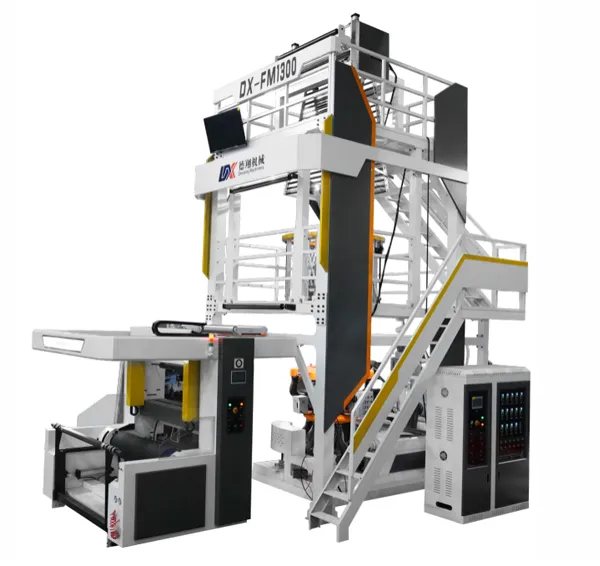
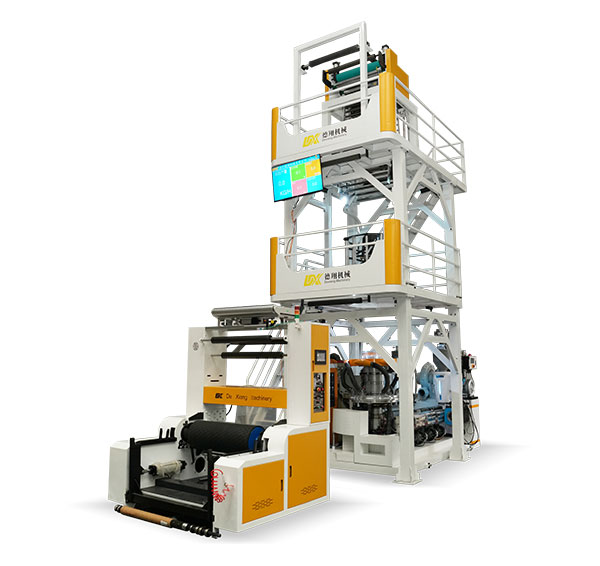
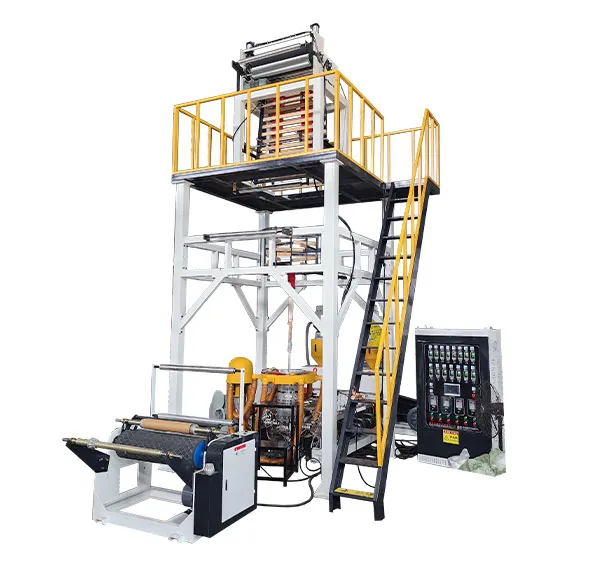
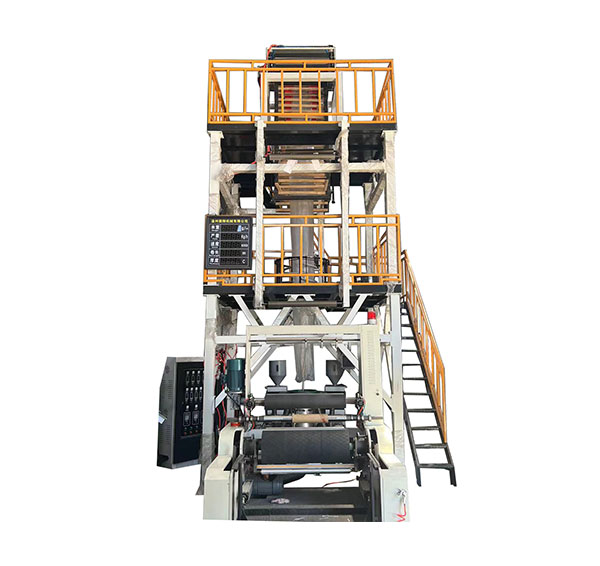
Dexiang specializes in the development and manufacturing of flexographic printing equipment for the packaging industry. Their Flexo printing machine features an advanced control system and precision mechanical design that maintains stable output during large-scale production, ensuring consistent and accurate results across every batch. The press delivers high-efficiency production capacity in high-speed environments, meeting the demands of large-volume, high-frequency production. With precision mechanical design and high-quality ink systems, it produces high-resolution, vivid, and consistent printing results. The machine maintains efficient and stable operation, significantly reducing equipment failures and downtime. It handles traditional plastic films and packaging materials while adapting to various types of special printing requirements. Applications span industrial plastic bags, food packaging, drug packaging, eco-friendly bags, advertising bags, and logistics bags. Dexiang provides comprehensive technical support and responsive spare parts availability. Connect with Dexiang to discuss your substrate requirements, production volume, and application needs.