English
 Español
If you work in packaging, agriculture, or consumer goods, plastic films are probably part of your daily operations—but many professionals don’t stop to think about how these essential materials actually come to life. A Blown Film Machine is the backbone of plastic film production, and getting a grip on its basics helps you make smarter calls for your business. I’ll break down its core functions, how it works day-to-day, and what to watch for—no complicated jargon, just practical info.
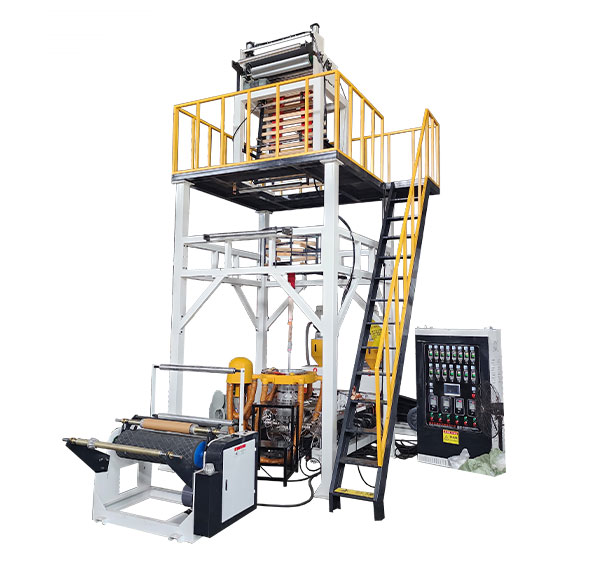
The Basic Definition of a Blown Film Machine
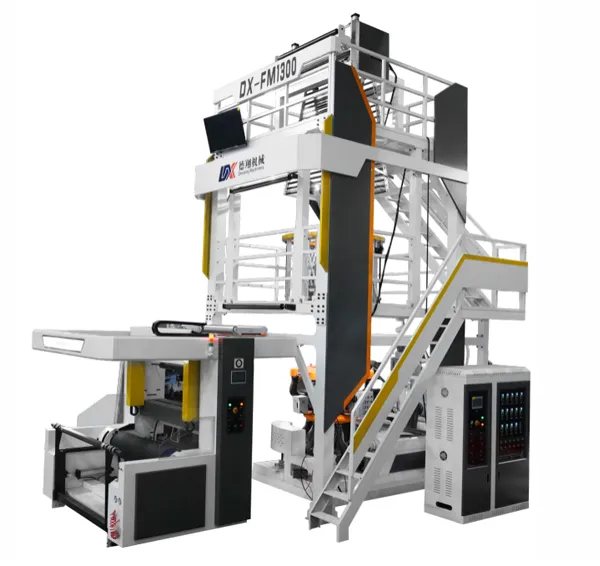
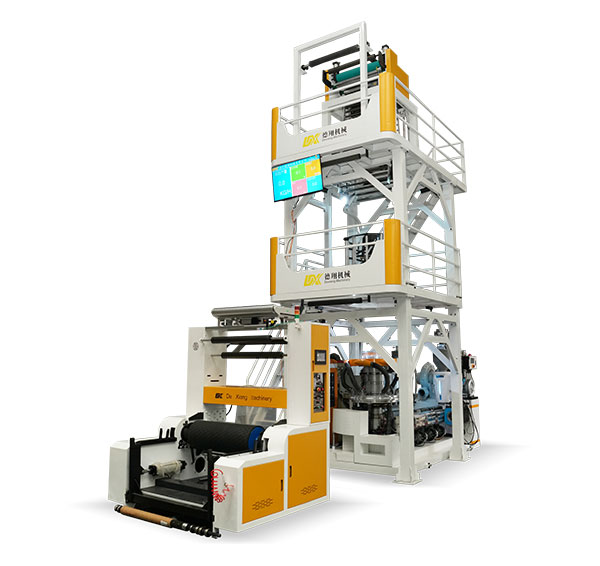
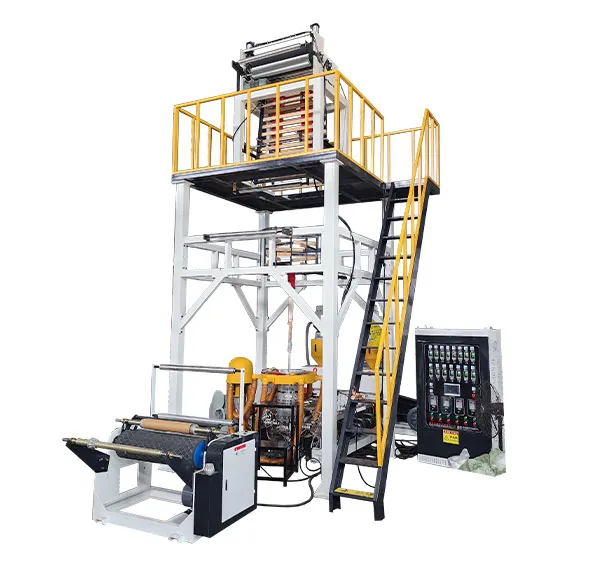
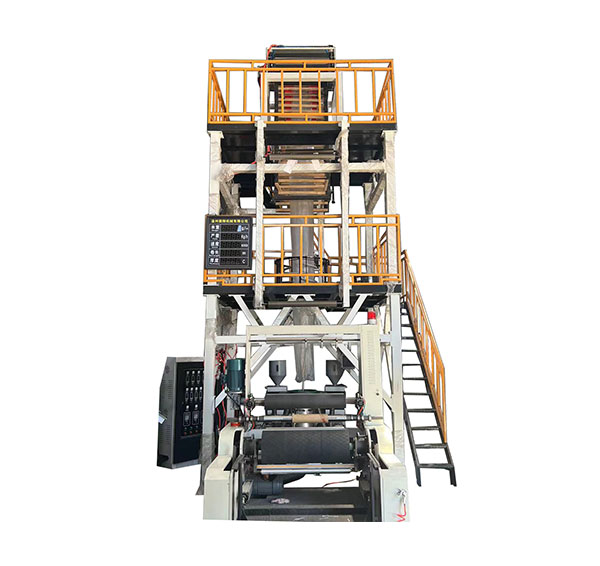
When we talk about a Blown Film Machine, we’re referring to specialized gear built to make continuous plastic films. The method it uses is called “extrusion-inflation”—here’s the gist: it melts plastic raw materials, pushes that molten plastic through a circular die, then inflates it into a thin, large bubble. That bubble gets cooled, flattened, and rolled into usable film rolls—these are the rolls that later become food packaging, agricultural covers, or industrial liners. In real production, it’s the go-to tool for businesses that need consistent, high-quality plastic films.
The Working Process of a Blown Film Machine
A Blown Film Machine runs on a straightforward, four-step process—one that’s refined for real factory use:
First, you start with plastic pellets (your raw material) and feed them into an extruder. Inside the extruder, those pellets heat up and melt into smooth, liquid plastic.
Second, that molten plastic gets forced through a circular die—think of it as a tool with a small round opening—to form a continuous plastic tube.
Third, air gets blown into the bottom of that tube, inflating it into a big bubble. The size of this bubble directly sets the width of your final film—this part’s key for matching your product needs.
Fourth, the bubble cools down (either with air or water) to harden the plastic. Once it’s cool, rollers flatten it into a flat film, and then you cut or roll it into the final product you’ll use.
Key Factors for Choosing a Blown Film Machine
When you’re picking a Blown Film Machine for your business, there are three critical factors you can’t overlook:
Production capacity: You need a machine that lines up with your output goals. Smaller models work if you’re doing low-volume production; high-speed ones are for large-scale needs.
Customization potential: If you need films of specific thicknesses, widths, or extra features (like UV protection), go for a machine that can be adjusted or tailored to those needs.
Environmental adaptability: Opt for machines that handle eco-friendly materials or have energy-saving designs—especially if your market has strict sustainability rules right now.
Conclusion
A Blown Film Machine isn’t just another piece of factory equipment; it’s the bridge between plastic raw materials and the films your business relies on. Understanding what it is, how it works, which materials it handles, and what to look for when choosing one helps you avoid mismatches and keep your production running smoothly.
To explore Blown Film Machines that line up with these core principles and fit your specific production needs, head to our product page. You’ll find detailed specs and solutions built for different industry requirements—exactly the kind of gear that works in real-world operations.