English
 Español
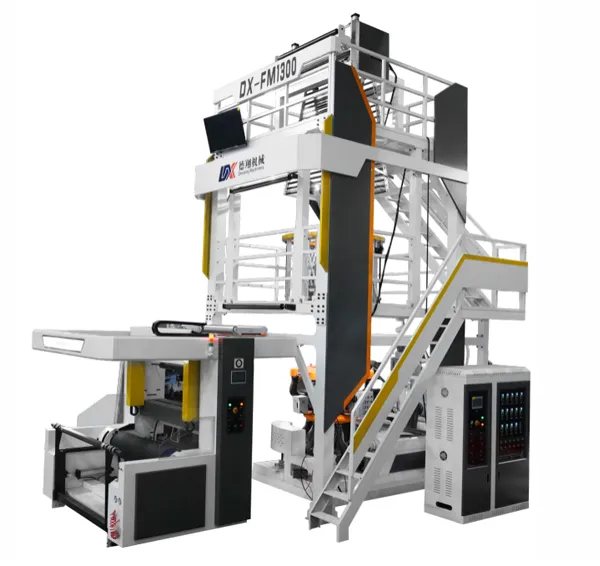
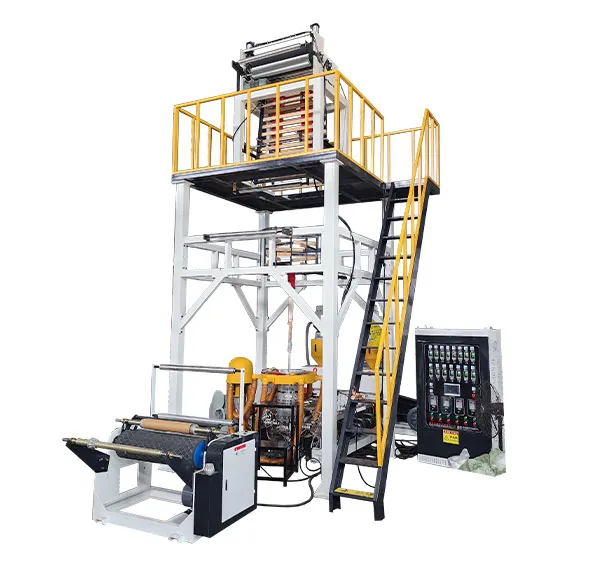
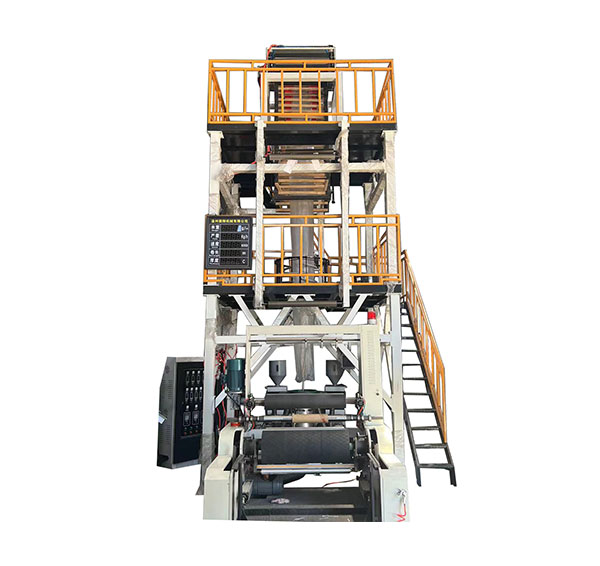
Choosing a blown film machine is a major decision for any business. Mess this up, and you’ll end up wasting money, struggling to hit your production targets, or turning out film that doesn’t meet your standards. This piece hones in on the key things you need to figure out before you buy—so you can pick a machine that actually fits how your business operates.
Clarify Your Core Needs First
Before you even dive into machine specs, you need to nail down your own needs. This keeps you from getting sidetracked by features you don’t actually use.
What Type of Film Will You Produce?
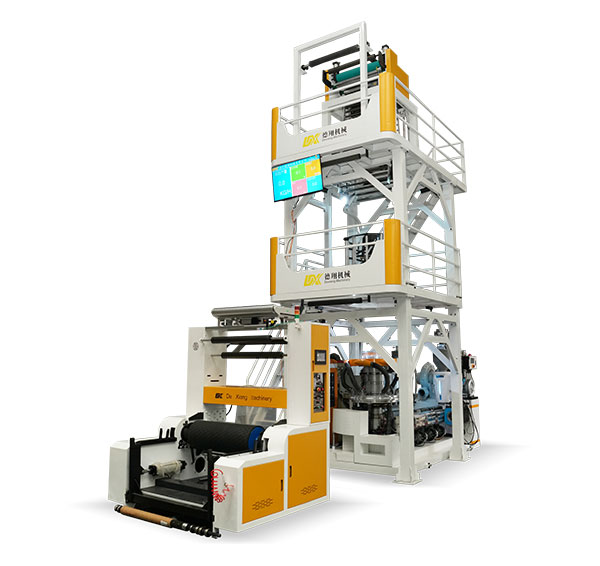
The kind of film you’re making dictates exactly which machine you need. For basic packaging films, a standard single-layer blown film machine will do the job just fine. For high-performance films—like barrier films for food or multi-color options—you’ll need a multi-layer model (AB, ABA, or ABC). If you’re focused on eco-friendly biodegradable films, you need a machine built specifically for those materials.
What’s Your Expected Production Volume?
How much film you need to produce daily will determine the machine’s speed and overall output. Small-scale operations can opt for a low-to-medium speed machine—high-speed models will only end up wasting energy and money. Large factories that run nonstop need a high-speed machine that holds up over long hours. Be sure to ask manufacturers how long the machine can run continuously.
What Film Thickness and Width Do You Need?
Not every machine can handle every film size you might need. If you need thin films, ask manufacturers to show you samples made to that exact thickness. For wide films, double-check the machine’s maximum width—one that’s too small for your desired width will make film with uneven thickness.
Evaluate the Machine’s Performance to Match Your Needs
Once you know your needs, you need to check if the machine can actually deliver on them. Don’t just take marketing claims at face value.
Does It Support Your Raw Material?
Blown film machines are designed to work with specific types of plastic. Most basic models work with PE, but if your operation uses PP or PVC, you’ll need a machine with modified screws and temperature controls. Using a PE machine for PVC will burn the material or ruin the film. Ask straight up if the machine can run your specific material—and if they can prove it.
Can It Guarantee Your Required Film Quality?
You can’t cut corners on film quality—factors like consistent thickness, clarity, and durability really count. Look for machines with precision die-heads and temperature controls; these parts are what ensure your film has even thickness. Ask manufacturers for case studies, too. Have they worked with businesses similar to yours? Can they share feedback on how well the machine maintains film quality over time?
Is Its Automation Level a Good Fit for Your Team?
Automation isn’t a case of “the more, the better”—it has to fit what your team is capable of. If your team has limited technical know-how, stick with basic automation—think simple touchscreens and clear error alerts. Too much complexity will just lead to mistakes. If you have experienced techs, a more automated machine (with features like auto winding or real-time quality checks) will save you labor and keep output steady.
Conclusion
Choosing a Blown Film Machine doesn’t have to feel overwhelming. Start by getting crystal clear on your needs, then make sure the machine aligns with those needs—and don’t skip verifying its real-world performance. That’s how you avoid costly missteps.
If you have any questions about what kind of Blown Film Machine to choose for your business, please consult our team to help your business choose the right film blowing machine.