English
 Español
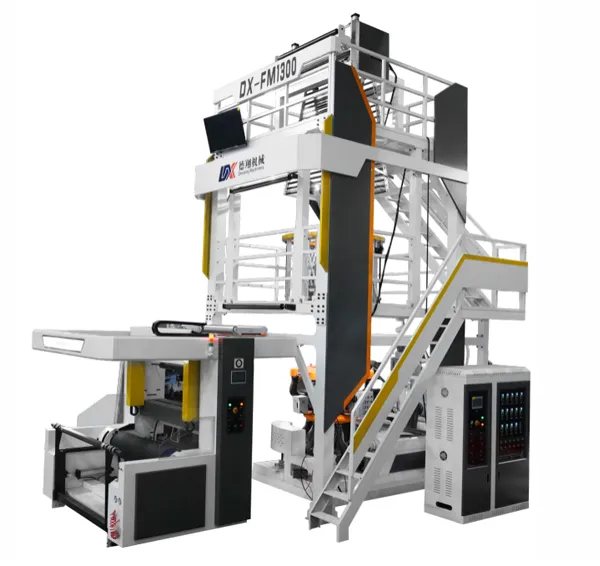
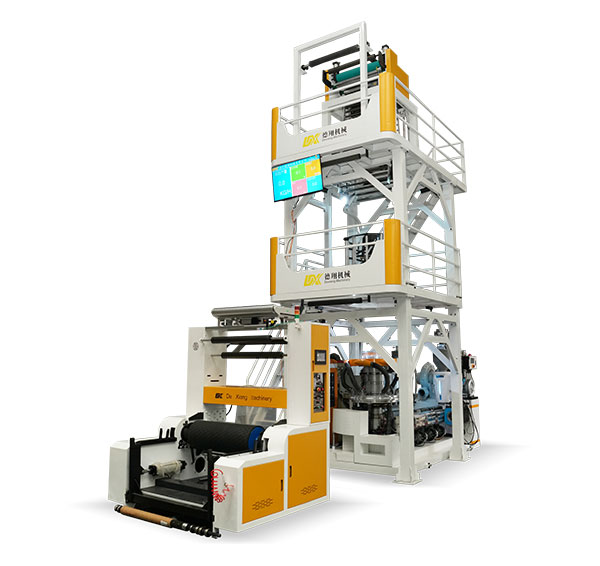
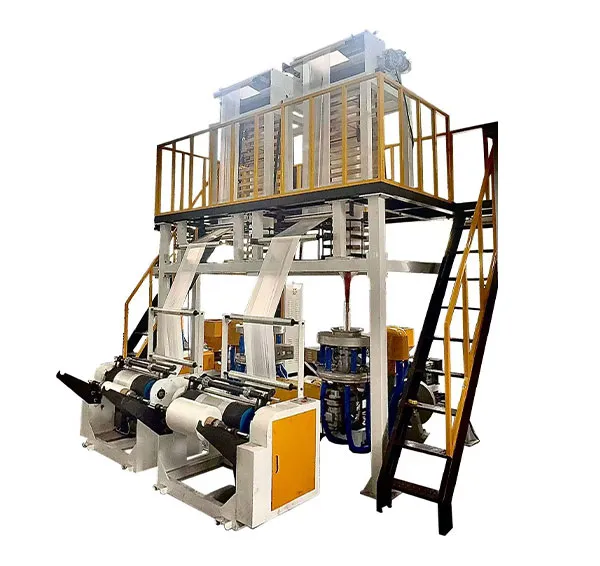
For today’s plastic packaging producers, daily production struggles go far beyond simple output limits. Thin profit margins, unstable finished goods quality and rigid production setups hold back growth, and outdated extrusion hardware is almost always the root cause. A well-configured Blown Film Machines setup addresses these hidden factory struggles head-on, resolving practical operational troubles that plague small workshops and mid-sized manufacturing plants alike. Drawing on years of on-site factory communication and packaging industry cooperation experience, I break down five overlooked but costly production pain points and share real, field-tested solutions for film processing operators.
Erratic Film Gauge Fluctuations Causing Massive Raw Material Waste
Walk into any aging film production workshop, and you will almost always spot stacked defective film rolls piling up in storage corners. These wasted materials are not minor losses—they represent continuous, unnoticeable profit erosion for every production cycle. Outdated extrusion units lack dynamic adjustment mechanisms, leading to obvious film thickness deviation across roll surfaces. Uneven gauge not only ruins printing and bag-making compatibility but also creates unqualified edge materials that have to be scrapped directly.
Independent third-party industry research from QYR 2024 reveals that traditional film production lines carry an average defective scrap rate of 9% to 13%, purely due to unstable thickness control. For factories churning out 25 tons of plastic materials monthly, this translates to tens of thousands in annual raw material losses, funds that could otherwise be invested in facility upgrades or team expansion.
New-generation extrusion hardware integrates real-time airflow calibration and intelligent die gap fine-tuning modules, locking thickness errors within a tiny tolerance range. This sharply slashes scrap output and turns previously discarded defective materials into market-qualified finished goods.
Uncontrolled Power Consumption Eroding Long-Term Operational Profits
Rising industrial power costs have become one of the most frustrating fixed expenditures for flexible packaging manufacturers in recent years. Many legacy extrusion devices run on fixed-speed motors and uninsulated barrel structures, wasting massive amounts of thermal energy and electric power during non-peak production periods. Unlike standardized modern units, old equipment cannot adjust operating power according to actual output demands, leading to unnecessary energy waste during small-batch orders or low-speed operation.
A 2024 cross-regional survey by Plastics Technology highlights that power expenses now occupy nearly 23% of total operating costs for plastic film processors, a noticeable jump compared to data from three years prior. I once consulted for a regional cold-chain packaging manufacturer trapped by soaring monthly utility bills; after replacing outdated single-function extrusion gear with energy-optimized units, their monthly power expenses dropped significantly, creating stable recurring cost savings year-round.
Leading optimization designs include high-sensitivity variable frequency drive components and built-in waste heat recovery structures. These designs reuse extruder residual heat to preheat raw resin materials, forming a closed-loop energy cycle and lowering overall resource consumption.
Narrow Material Compatibility Blocking Sustainable Business Expansion
Sustainable packaging requirements are no longer a distant industry trend but a rigid market threshold. Brand clients, retail chains and regional environmental regulations are pushing factories to adopt recycled resin materials, biodegradable base materials and compostable packaging films. The biggest roadblock? Most traditional production hardware cannot adapt to diverse new raw material formulas.
I encountered a typical industry dilemma last year: a local film processor missed a high-value long-term cooperation order simply because their old equipment could not stably process recycled PE materials. Impurities in recycled fragments caused frequent screw blockages, and fixed temperature parameter settings failed to balance film forming stability and product durability. This kind of equipment limitation traps manufacturers in low-profit homogeneous orders, unable to seize high-margin sustainable packaging business opportunities.
Tailored screw structures and multi-stage temperature zoning designs allow updated extrusion hardware to handle mixed recycled materials, PLA, PBAT and other eco-friendly polymers without compromising daily output efficiency. This material adaptability lets manufacturers quickly respond to shifting market demands and expand service boundaries beyond single conventional plastic film production.
Rigid Single-Mode Production Unable to Satisfy Diversified Custom Orders
The era of mass single-specification film production has long faded. Modern downstream buyers propose highly personalized needs: food packaging requires multi-layer barrier film structures to extend shelf life, medical packaging demands sterile, high-toughness film that meets industrial safety standards, and logistics e-commerce needs tear-resistant heavy-duty stretch film for heavy cargo packaging.
Most conventional entry-level production lines are designed for single-specification continuous operation. Switching product types requires prolonged line shutdown, mechanical debugging and parameter resetting, with long downtime and high adjustment costs. Frequent setup delays make small-batch customized orders completely unprofitable, forcing many manufacturers to reject personalized cooperation requests and limit their own market competitiveness.
Dexiang focuses on scenario-based customized production planning, rather than selling one-size-fits-all standardized machinery. The brand designs matched combined production lines based on client order characteristics, whether it is three-layer co-extrusion snack packaging film, multi-layer medical barrier film or compact units for small-batch personalized production. This targeted customization shortens product switching cycles and helps factories quickly launch new product categories.
Frequent Unexpected Shutdowns Disrupting Delivery Timelines and Client Trust
Stable delivery capacity is the core competitive advantage of packaging processing factories, yet unexpected equipment failures constantly disrupt production schedules. Many machinery suppliers only focus on pre-sales promotion, ignoring later-stage technical support and daily operational stability design. Once key components malfunction, factories face long waits for after-sales technicians, resulting in delayed orders and damaged long-term client partnerships.
Unplanned downtime stems from two core factors: insufficient hardware stability design and incomplete post-sales service mechanisms. Aging equipment lacks early fault reminder sensors, letting minor component wear evolve into full-line shutdown failures. In contrast, premium modern production units are equipped with comprehensive predictive maintenance sensing systems, capturing abnormal operating data in advance to arrange maintenance during planned shutdown windows.
Backed by global decentralized service teams, Dexiang provides 24/7 remote fault diagnosis guidance, solving most daily operational anomalies through online technical support. For on-site hardware failures requiring manual intervention, regional service teams can reach the site rapidly to minimize production suspension losses. Optimized stability design and complete after-sales support together cut annual unplanned downtime dramatically, unlocking extra effective production days for revenue growth.
Why Conventional Cast Film Hardware Cannot Solve Core Production Pain Points
When upgrading production lines, many manufacturers casually compare basic cast film units due to their fast forming speed and flat film texture advantages. Superficial parameter advantages often overshadow hidden long-term usage costs, leading to improper equipment selection and continued operational troubles.
Authoritative data from SPE 2024 points out that cast film production lines come with far higher overall investment thresholds. Auxiliary thickness correction systems and balanced tension control modules require additional high-cost configuration, greatly raising early-stage procurement budgets. Beyond cost issues, cast film products carry inherent structural defects, including weak transverse tear resistance and poor adaptability to complex working conditions. These units also produce more edge trimming waste during formal operation, offsetting efficiency gains with recurring material losses.
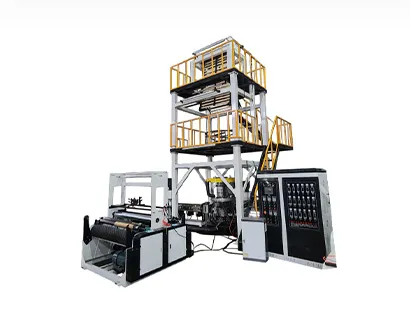
In contrast, rational extrusion configuration centered on one mature Blown Film Machines delivers more balanced comprehensive performance. It boasts natural biaxial structural toughness, lower overall procurement and maintenance costs, stronger multi-material compatibility and better small-batch customized production adaptability. Countless real factory upgrade cases prove that this type of production setup delivers a more stable return on investment, helping processing factories escape repeated cost pressure brought by improper equipment selection.
For film manufacturers aiming to balance cost control, output flexibility and long-term development, choosing practical, pain-point-oriented extrusion hardware is far more valuable than blindly pursuing single performance indicators. Reconstructing your production system with targeted upgrades can turn long-standing manufacturing troubles into unique competitive edges in the fiercely competitive packaging market.