English
 Español
A farmer needs 10,000 meters of black mulch film before planting season. A converter quotes the job but the numbers don‘t add up—multi-layer equipment would drive the price too high. That’s the reality of agricultural film: thin margins, high volume, and a substrate that doesn‘t need seven fancy layers.
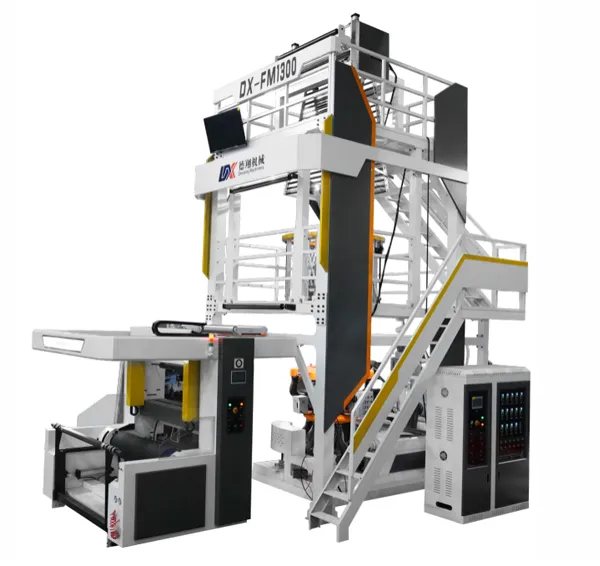
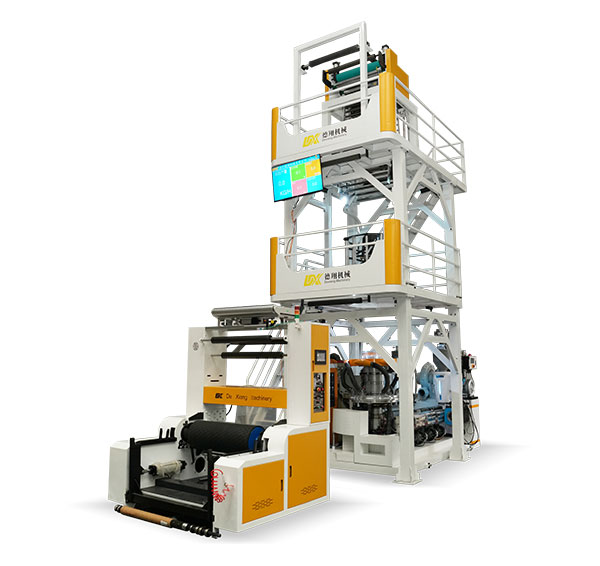
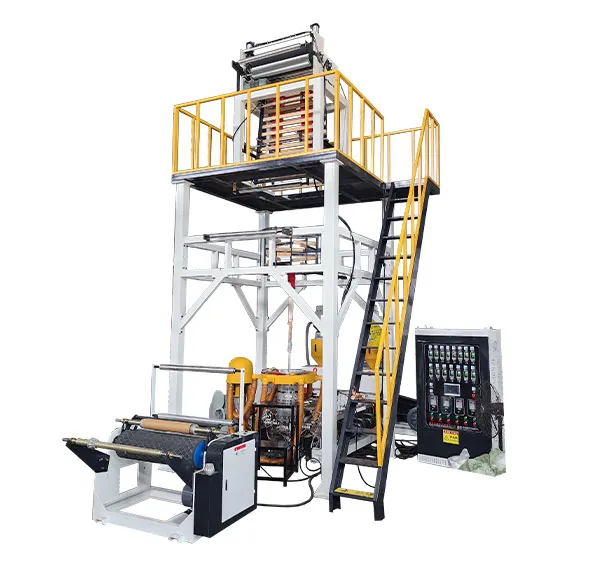
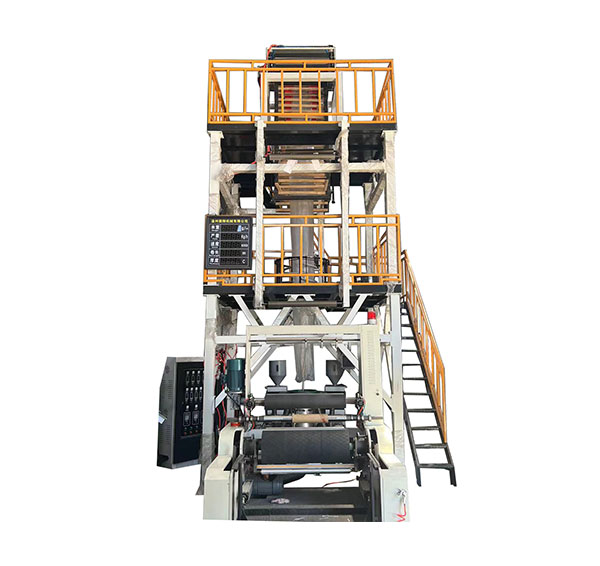
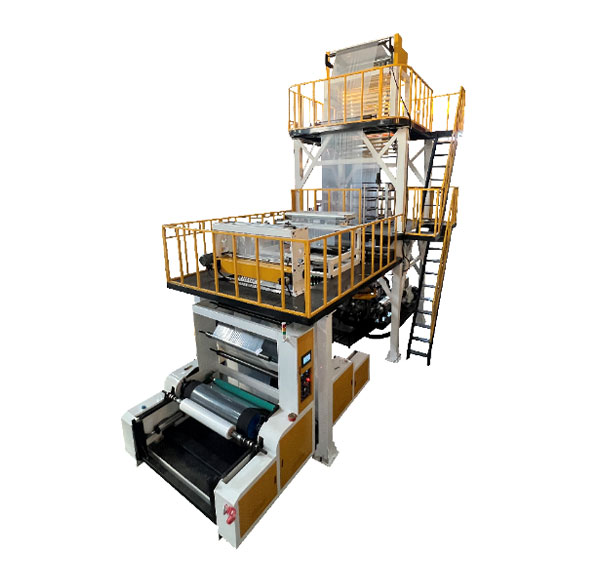
A Mono Layer Blown Film Machine is built for exactly this math. Single screw design, spiral die head, focused on one material at a time—HDPE, LDPE, or LLDPE. No A/B/C layers to balance. No expensive barrier resins. Just consistent, uniform film at a price that works for mulch, greenhouse covers, and crop protection.
This guide covers what this machine actually does in the field, how to set it up for agricultural grades, and the maintenance habits that keep it running through peak season. Mono layer lines serve small and medium converters who need low-cost entry without sacrificing film quality.
Why Mono Layer Still Dominates Agricultural Film
Multi-layer co-extrusion gets all the attention. It makes beautiful barrier films with EVOH, tie layers, and recycled cores. But for agricultural mulch film? Most of it is single layer—and that won‘t change soon.
The math is simple. Multi-layer equipment costs 3 to 5 times more than a mono layer line. Maintenance, energy, and operator skill all scale up with complexity. A mono layer machine typically costs only one-third to one-half of a multi-layer line. For a converter running commodity agricultural film on thin margins, that difference is the difference between profit and loss.
Daily production of 1-2 tons is realistic—enough to serve regional farmers without overbuilding capacity. Film thickness ranges from 0.008mm to 0.2mm, width up to 2000mm. That covers mulch film, greenhouse covers, silage wrap, and crop protection sheets.
Energy efficiency matters. A single-motor drive reduces energy consumption by about 20% compared to dual-motor or multi-layer setups. For a line running 24 hours during planting season, that saving adds up. Stable operation and simple maintenance mean less downtime when the fields are waiting.
Setting Up for Mulch Film – What the Operator Needs to Know
Mulch film doesn‘t ask for much. But it punishes mistakes. Here’s what makes the difference on a mono layer line.
Material matters. HDPE gives stiffness and tear resistance—good for mulch that must stay intact through the season. LDPE adds flexibility and clarity—better for tunnel covers where light transmission counts. LLDPE blends offer puncture resistance for rocky soil. A quality mono layer screw handles all three, with wear-resisting alloy steel construction that stands up to abrasive fillers and recycled content.
Thickness is the first dial to set. Mulch film typically runs 0.008mm to 0.03mm. Below 0.01mm, the bubble gets sensitive to air fluctuations. Above 0.03mm, cooling takes longer and output drops. Start at your target thickness and adjust cooling air until the frost line sits steady.
The air ring is the second dial. Uneven cooling creates gauge bands—thick spots that make the film tear unpredictably in the field. Set the air ring discharge slots evenly around the bubble. Listen for hiss uniformity. If one side sounds louder, that side is over-cooling and the film will be thinner there.
Quality That Shows Up in the Field
Mulch film that looks fine on the roll can fail in the furrow. Edge tears, pinholes, and uneven width all trace back to extrusion.
Edge tears come from two places. First: the bubble is oscillating. That‘s usually uneven cooling—clean the air ring. Second: the layflat is pulling unevenly. Check that the collapsing frame is centered and that both nip rollers apply equal pressure.
Pinholes point to contamination. A speck of degraded polymer or a piece of carbonized resin burns a hole. Keep the screen pack clean. Purge the die after every material change. For agricultural film running recycled content, change screens more often.
Uneven width means the die gap is off. Use a feeler gauge to measure the die lip gap at eight points around the circumference. A spiral die head is designed for uniform melt distribution, but thermal expansion can shift the gap during long runs. Adjust while the die is at operating temperature.
| Defect | Most Likely Cause | First Check |
|---|---|---|
| Edge tears | Uneven cooling or collapsed frame | Air ring slots; centering |
| Pinholes | Contamination in melt | Screen pack; purge die |
| Uneven width | Die lip gap variation | Feeler gauge at 8 points |
| Gauge bands | Air ring imbalance | Clean air ring; balance zones |
| Bubble instability | Extruder temperature swing | Check thermocouples; stabilize zones |
Daily Habits That Keep the Line Running
A mono layer blown film machine is simpler than multi-layer co-extrusion. But simple doesn‘t mean no maintenance. These habits separate lines that run for years from lines that stop every week.
Clean the air ring daily. Dust and polymer fines build up in the air discharge slots. Uneven airflow creates gauge bands that show up as thick-and-thin streaks across the film. Blow out the ring with compressed air at the end of every shift.
Check the screen pack pressure. Rising pressure means the screen is clogging. Change it before it blows. For agricultural film running recycled content or CaCO₃-filled compounds, screen packs clog faster. Keep spares at the machine.
Wipe the collapsing frame rollers. Dust and residue on the rollers transfer to the film. For mulch film going directly to the field, contamination isn‘t cosmetic—it can create weak spots. Clean with isopropyl alcohol daily.
Inspect the screw and barrel weekly. The wear-resisting alloy steel screw handles abrasive materials better than standard steel, but even it wears. Check for scoring or edge rounding. Replace when the screw’s metering section shows measurable wear against a new screw gauge.
Monthly: drop the screen pack and inspect the die. Carbonized resin builds up on the die internal surfaces. This creates flow disturbances that show up as surface defects on the film. For lines running 24/7 during peak season, schedule a full die cleaning every 2,000 operating hours.
When the Film Won‘t Lay Flat
Mulch film that curls or tents won‘t lay flat on the ground. The cause is almost always in the collapsing and winding section.
Check the collapsing frame alignment. The frame must be centered on the bubble. If it‘s off, the bubble flattens unevenly and the film develops a “banana” shape. Use a laser alignment tool or measure from the frame edges to the bubble center.
Inspect the nip roller pressure. Uneven pressure across the roller width produces film that tracks to one side. Adjust the cylinder pressure on each end independently. Target pressure depends on film thickness—heavier film needs more nip pressure to flatten.
The winder is the final judge. If the film looks flat coming out of the nip but tents on the roll, the winder tension is too high. Reduce taper tension by 10% and re-test. For thin mulch film (under 0.01mm), use a center winder with load cell feedback, not a surface winder.
What converters ask after the first roll
Q: Can I run recycled agricultural film scrap back through the same mono layer machine? A: Yes, but limit regrind to 15-20% of the blend. Recycled material contains degraded polymer chains that lower melt strength. Higher regrind percentages cause bubble instability. For best results, run regrind through a pelletizer first, not directly as flake.
Q: How often should I replace the spiral die head? A: The die head itself isn‘t a wear item—it lasts the life of the machine with proper cleaning. But the die lip may need resurfacing every 3-5 years if you run abrasive compounds. Use a straightedge and feeler gauge to check lip flatness annually.
Q: What‘s the fastest way to change film width? A: Width is set by the die diameter and the blow-up ratio (BUR). BUR = film width ÷ (π × die diameter). For mulch film, target BUR of 2.0 to 2.5. To change width, change the internal bubble cooling and air ring flow. Don‘t just change the haul-off speed—that changes thickness, not width.
Q: Can I use the same mono layer machine for both agricultural mulch and packaging film? A: Yes, but you‘ll need different die heads. Mulch film uses a larger die diameter (wider bubble, lower BUR). Packaging film uses a smaller die (narrower bubble, higher BUR). Many manufacturers offer interchangeable die heads for the same extruder frame.
A Machine Built for the Job
When a converter needs to produce agricultural mulch film without over-investing in equipment, the Mono Layer Blown Film Machine is the proven workhorse.
These machines adopt a single screw design with a spiral die head, focusing on plasticization of single raw materials such as HDPE, LDPE, and LLDPE to ensure film uniformity. Core advantages include low investment—procurement and maintenance costs are only one-third to one-half of multi-layer machines, making them suitable for small and medium enterprises. Production capacity is typically 1-2 tons per day, with film thickness from 0.008mm to 0.2mm and width up to 2000mm. Energy consumption is reduced by about 20% compared to dual-motor systems, with stable operation and simple maintenance.
For converters ready to enter or expand in the agricultural film market, leading manufacturers like DEXIANG (Ruian Dexiang Machinery Co., Ltd.) offer turnkey solutions. DEXIANG has over 100 employees, including 20 technicians with senior engineering titles, and holds advanced processing equipment and comprehensive testing methods. Their main products include complete sets of equipment for flat bags, T‑shirt bags, express bags, garbage bags, and two to five-layer extrusion lines, with the mono layer line being the entry-level workhorse for agricultural film. All equipment is CE certified and backed by responsive technical support.
For a production manager needing to meet a planting deadline without breaking the capital budget, the combination of low entry cost, stable output, and simple operation makes the mono layer line the practical choice.
→ Request a quote from DEXIANG for the Agricultural Mulch Blown Film Machine — Share your target film width, thickness range, daily output requirement, and primary resin (HDPE, LDPE, or LLDPE). Their technical team will recommend the right screw configuration and die size for your mulch film application.